Two Windows Zero-Days Give Local Attackers SYSTEM Privileges
The flaws require a local foothold, affect different Windows release families, and leave defenders with fixed-build checks but no CVE-specific compromise indicators.
Read article →Reader view
Choose the default article length.
Endpoint security, malware, device controls, and host visibility.
The flaws require a local foothold, affect different Windows release families, and leave defenders with fixed-build checks but no CVE-specific compromise indicators.
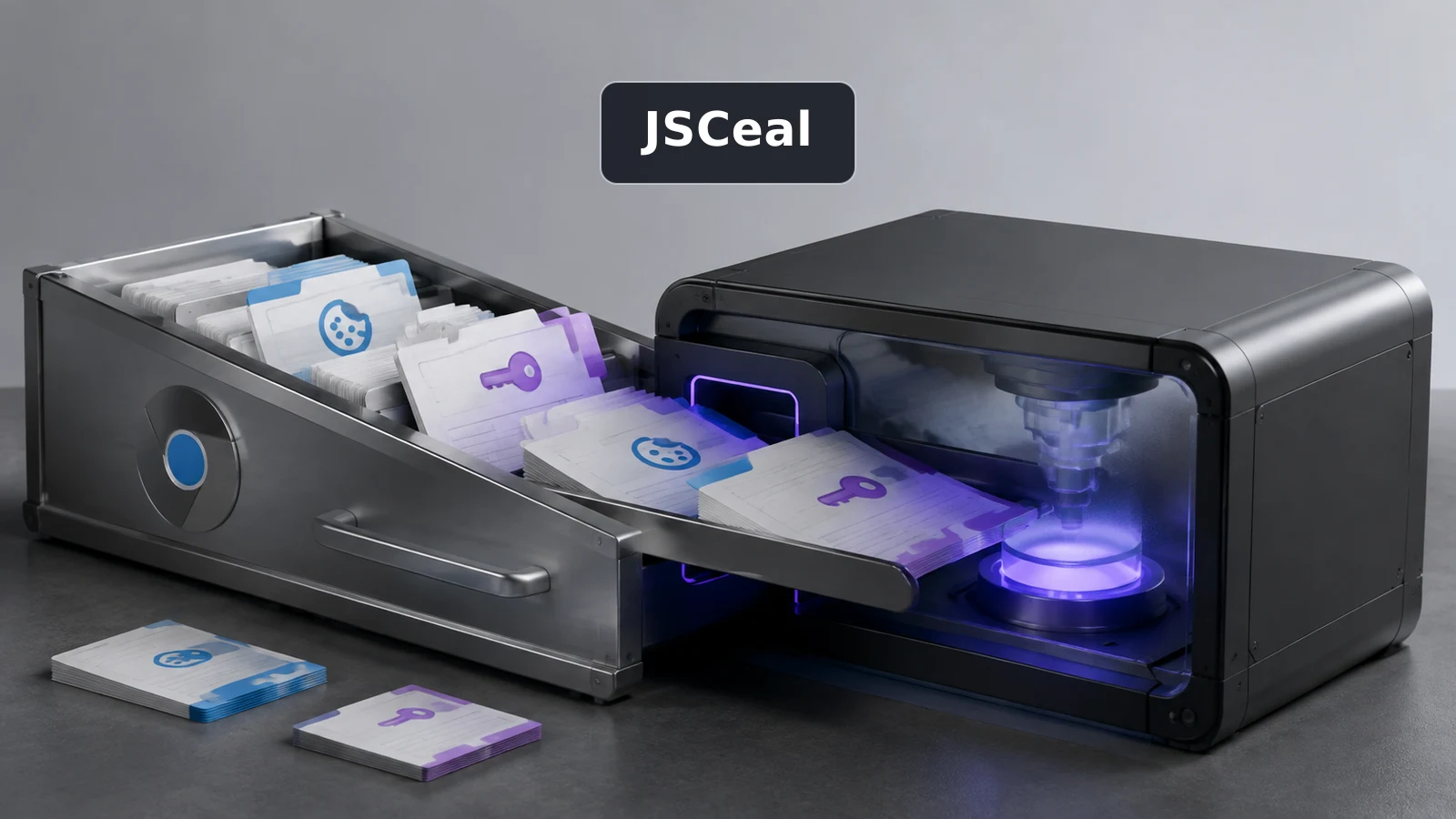
Read article →Recovered JSCeal code replays stolen cookies and passwords through a headless browser to obtain fresh Google OAuth tokens and exposes concrete Windows hunt artifacts.
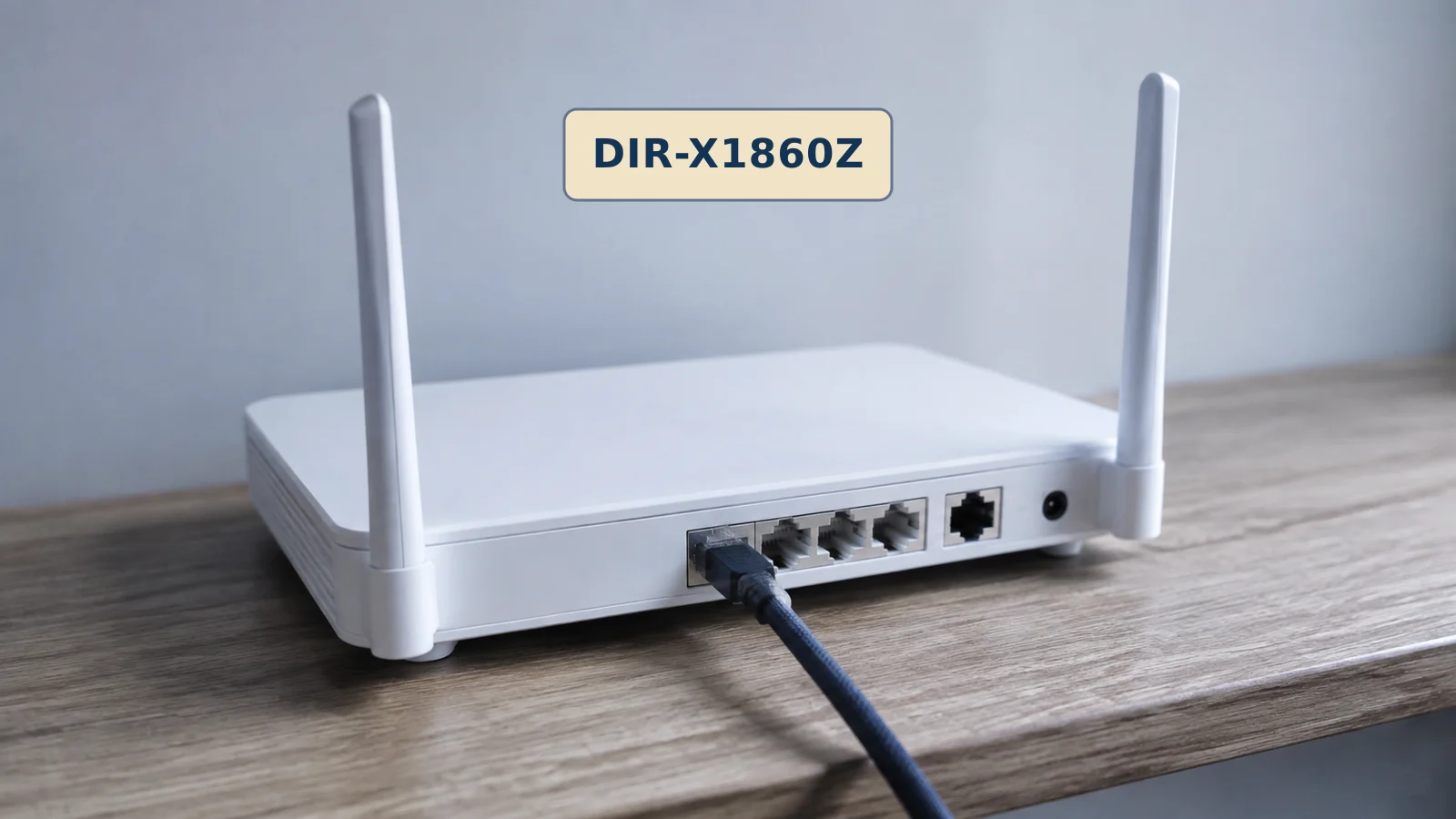
Read article →D-Link fixed a DIR-X1860Z flaw that lets a local-network user set a new admin password; the similar DIR-X1860 has no update path.
Read article →Microsoft observed fake IT support sessions progress from Teams remote control to a persistent JavaScript implant and WinRM movement toward domain controllers.
Read article →Chrome 152.0.7977.82/.83 fixes an exploited V8 type-confusion flaw. Google has not disclosed the attackers, targets, exploit chain, or scale.
Read article →A server tied to The Gentlemen exposed TukTuk C2, a credential-stealing prompt, EDR-killer research, exfiltrated Jira data, and healthcare credentials.
Read article →Socket found 19 browser extensions using automatic updates, rotating command servers and injected modules to steal wallet secrets, sessions and passwords.
Read article →StopAndProtect turns hacked WordPress sites into malware hosts, command servers, and stores for stolen files before selective ransomware deployment.
Read article →CISA says attackers are exploiting a Linux IPv6 kernel flaw that can give a local user root and, on affected RHEL 10 systems, escape a container.
Read article →ErrTraffic lures lead users to run Cruciferra, which uses a vulnerable signed driver to terminate security processes before the Remus stealer runs.
Read article →Dindoor uses the signed Deno runtime, encoded stages, and a pre-persistence sandbox check. Hunt the fixed process and registry sequence beneath the changing payload.
Read article →A new Windows loader arrives through a fake Teams help desk; modules sent to Expel’s emulator phish passwords and tunnel into internal services.
Read article →An updated Android banking trojan blocks Google Play traffic, automates wireless ADB pairing, and targets 349 financial apps across 16 countries.
Read article →Showing 1–13 of 49