BlueMoon Exploit Kit Breaks Out of Chrome to Deploy Espionage Malware
Four espionage groups used a shared Chrome-to-Windows exploit chain. Build checks show current exposure; campaign artifacts support a separate compromise hunt.
Read article →Reader view
Choose the default article length.
The Feed
Browse Nulltap reporting by year or narrow the feed by date.
Four espionage groups used a shared Chrome-to-Windows exploit chain. Build checks show current exposure; campaign artifacts support a separate compromise hunt.
Read article →More than 100 malicious gems used RubyDoc documentation builds to execute supplied code. Maintainers should review package and account changes tied to legacy API keys.
Read article →CISA confirms exploitation of CVE-2026-84869. ScreenConnect clients before 26.6.5 can transfer and run files through active sessions without authorization or host confirmation.
Read article →An exploited GitLab flaw exposes arbitrary server files through the commits API. Self-managed operators should install 19.1.8, 19.2.6, or 19.3.2 immediately.
Read article →CloudSEK found BigBear 2.0 stealing Microsoft 365 session cookies after MFA. Revoke sessions, rotate credentials and require phishing-resistant sign-in.
Read article →AOMEI Backupper 8.4.0 exposes physical-disk writes to local users. Without Secure Boot, attackers can plant UEFI code that runs before Windows defenses.
Read article →Two certificate-processing flaws reach gateways and management servers. Fixed takes and LivePatch output give operators a direct protection check.
Read article →Attackers used Cisco Secure FMC flaws to reach root, steal credentials, tunnel into networks, deploy Cyclops Blink, and encrypt selected endpoints with Qilin.
Read article →Kestra OSS versions through 1.3.20 let unauthenticated requests create workflows and run commands as root inside workers. CISA confirms exploitation.
Read article →Chrome 153 fixes exploited V8 out-of-bounds write CVE-2026-87491 across desktop and Android. Fleet owners should verify running builds; Google published no attack indicators.
Read article →CISA confirmed exploitation of CVE-2025-25249 across FortiOS, FortiSwitchManager and FortiSASE, with federal remediation due September 12.
Read article →CISA now links CVE-2025-14733 to ransomware. Patch exposed Fireboxes, check WatchGuard's indicators, and rotate locally stored secrets after confirmed activity.
Read article →Customer-managed VPN and AAA appliances need branch-specific fixed builds; configuration determines exposure on later NetScaler releases.
Read article →A recovered Sliver kit shows how one operator scripted Domain Admin access, disabled defenses, stole credentials, and hid rotating command servers behind Ethereum.
Read article →The flaws require a local foothold, affect different Windows release families, and leave defenders with fixed-build checks but no CVE-specific compromise indicators.
Read article →Attackers made Coder's trusted registry serve malicious Terraform modules. Operators have a 14-hour exposure window, concrete indicators, and urgent credential work.
Read article →Google observed attackers move from cloud compromise to agent-enabled mass credential harvesting in under six hours, shrinking the time defenders have to respond.
Read article →Recovered JSCeal code replays stolen cookies and passwords through a headless browser to obtain fresh Google OAuth tokens and exposes concrete Windows hunt artifacts.
Read article →A public Telerik UI exploit chains two cryptographic oracles to unsafe type loading. Upgrade ASP.NET AJAX to 2026.2.708 and check IIS for post-exploit activity.
Read article →Every on-premises build before 2026.3.1.14 needs Hotfix 4. N-able's records conflict on exploitation, so MSPs should patch and review RMM activity.
Read article →Ten malicious OpenAPI React Query Codegen releases ran on install and carried credential-stealing code with valid provenance. Teams must scope lockfiles, rebuild hosts and rotate credentials.
Read article →Forescout ported a pre-auth PLC exploit with Claude, then bricked the device during an implant attempt. Restrict FTP and monitor crashes and outbound traffic.
Read article →Two factory firmware implants expose white-label ZBT routers through an open WAN service and an unauthenticated phone-home channel.
Read article →Zenity saw file-read probes matching CVE-2026-35029. LiteLLM advises upgrading to 1.83.0 or later; defenders should hunt configuration changes and rotate exposed secrets.
Read article →CERT Polska confirms attacks through internet-exposed SSH. Install a fixed build, restrict management access, and investigate the published log and account indicators.
Read article →StyleSmuggler turns poisoned Magento logs into server-side code execution, then hides a persistent implant outside the shop's webroot. Adobe has not issued a fix.
Read article →JetBrains confirmed that an unpatched TeamCity flaw exposed Cadence users’ code and secrets. Former users should rotate credentials and review connected systems.
Read article →Unit 42 traced an AI-assisted ransom intrusion across web, repository, secrets, CI/CD and cloud systems in less than 10 hours. These behaviors can reveal the loop.
Read article →D-Link fixed a DIR-X1860Z flaw that lets a local-network user set a new admin password; the similar DIR-X1860 has no update path.
Read article →Recovered tooling shows how forged WebDAV requests exposed nuclear records and credentials, with specific version, request-pattern, and signing-key checks for defenders.
Read article →Five exposed SecFlow workspaces linked Claude, Qwen and DeepSeek to Asian government and education intrusions involving credential theft, webshells, and implants.
Read article →Microsoft observed fake IT support sessions progress from Teams remote control to a persistent JavaScript implant and WinRM movement toward domain controllers.
Read article →Chrome 152.0.7977.82/.83 fixes an exploited V8 type-confusion flaw. Google has not disclosed the attackers, targets, exploit chain, or scale.
Read article →A server tied to The Gentlemen exposed TukTuk C2, a credential-stealing prompt, EDR-killer research, exfiltrated Jira data, and healthcare credentials.
Read article →Fortinet traced one stolen AWS administrator key through a new IAM user, Marketplace agreements, and billable Bedrock model calls.
Read article →A fail-open agent dashboard exposed one public-model key for three weeks, while noisy usage signals and absent spend limits delayed recognition.
Read article →Socket found 19 browser extensions using automatic updates, rotating command servers and injected modules to steal wallet secrets, sessions and passwords.
Read article →SonicWall confirmed active attacks against two SMA1000 flaws and told customers to hotfix, seek an IoC review, and rebuild systems when compromise is found.
Read article →Mandiant traced BREEZE COMET from vishing, rogue branch hardware and stolen cloud credentials to payment APIs used for hundreds of fraudulent transfers.
Read article →Ten malicious npm releases used trusted publishing, two install-time launch paths, and a credential-stealing worm. Defenders must isolate hosts before rotating tokens.
Read article →CISA confirms exploitation of a critical Artifactory flaw and requires federal forensic triage. Self-hosted operators have six fixed-version floors to verify.
Read article →A crafted workspace can steer Kiro 0.7.45 from reading a local secret to placing it in a Powers registry request. Amazon fixed the reported behavior in 0.8.140.
Read article →Fire Ant hid tunnels on Cisco routers, injected TACACS servers, and planted Linux backdoors. Sygnia's artifacts support checks of routers, authentication servers, and Linux hosts.
Read article →CISA confirmed exploitation of a 2019 SQL Server flaw and now requires affected systems to be patched after evidence preservation and forensic triage.
Read article →PaperCut confirms active exploitation of NG and MF servers. Release 3 patches the two-flaw chain; new log and service indicators help defenders investigate exposed hosts.
Read article →StopAndProtect turns hacked WordPress sites into malware hosts, command servers, and stores for stolen files before selective ransomware deployment.
Read article →Shadowserver's retrospective Dysphoria report identifies about 296,000 compromised IoT devices and gives network owners evidence to locate and rebuild affected systems.
Read article →Five newly fixed WordPress flaws expose conditional paths to admin takeover or server code execution; defenders should verify six component versions and review AJAX and account activity.
Read article →A double-read type confusion lets guest JavaScript corrupt host memory; upgrade isolated-vm 6.x to 6.2.0 or 7.x to 7.0.1.
Read article →CISA says attackers are exploiting a Linux IPv6 kernel flaw that can give a local user root and, on affected RHEL 10 systems, escape a container.
Read article →Citrix documents denial of service. Separate research demonstrates a SAML path to root code execution but has not confirmed that it maps to this CVE.
Read article →An exposed server revealed a repeatable Active Directory attack path, AI-assisted planning, Aurora lockers, and payment trails across multiple victims.
Read article →ErrTraffic lures lead users to run Cruciferra, which uses a vulnerable signed driver to terminate security processes before the Remus stealer runs.
Read article →Next.js fixed two unauthenticated code-execution paths involving AVIF processing and Windows servers. Self-hosted operators need 15.5.24 or 16.3.3.
Read article →Dindoor uses the signed Deno runtime, encoded stages, and a pre-persistence sandbox check. Hunt the fixed process and registry sequence beneath the changing payload.
Read article →Gitea’s patch API can turn repository content into server code execution. Upgrade to 1.27.2 or later and check server activity for signs of compromise.
Read article →CareCloud says forensic review confirmed patient data exfiltration. HHS reports 3.76 million affected people, while public records do not map specific fields to each person.
Read article →CISA confirmed exploitation of a CVSS 10 Oracle WebLogic proxy flaw. Patch affected Apache and IIS plug-ins, then review requests for unauthorized data access.
Read article →A new Windows loader arrives through a fake Teams help desk; modules sent to Expel’s emulator phish passwords and tunnel into internal services.
Read article →An updated Android banking trojan blocks Google Play traffic, automates wireless ADB pairing, and targets 349 financial apps across 16 countries.
Read article →A 1.1 MB fake installer delivers Vidar, launches installed browsers headlessly, and copies credentials and sessions that can remain useful after cleanup.
Read article →Two exploited miniOrange SAML flaws can mint WordPress admin sessions. Seven independently versioned editions make ordinary update and vulnerability checks unreliable.
Read article →Kaspersky traced malware on DoFun-powered car displays from a trusted updater to ad fraud and a residential proxy. DoFun says it fixed the issue but published no fixed build.
Read article →The browser extension exposed vault tokens to untrusted page messages. Version 3.49.6 adds origin, frame, and nonce checks; later builds supersede it.
Read article →C2Looper shifted from one-second HTTP beacons to GitHub C2. Hunt its OneDrive DLL, JSON control files, debug marker, commands, hashes, and two IPs.
Read article →Forminator through 1.56.1 trusts forged upload settings and misses dangerous pipe-delimited MIME keys. Update to 1.57.1 and check public upload paths for executable files.
Read article →Check Point reproduced kernel file and registry operations through Defender's signed BTR.sys driver. Abuse needs admin rights; behavioral telemetry separates it from cleanup.
Read article →Gambit observed Claude Code inside six intrusions. Hunt the test VPN account, rogue LDAP listeners, backup discovery, SQL staging, and firewall restores.
Read article →Patch the missing upload check, then audit who can still reach the three remaining weaknesses in the Configuration Manager exploit chain.
Read article →Attackers are exploiting a Zimbra SNMP flaw through crafted SMTP requests. Version 10.1.20 fixes it; exposed servers need log and file review.
Read article →A blank file entry bypasses Elementor Pro upload checks on exposed forms. Version 4.2.2 fixes the flaw, but patched sites still need to hunt for PHP left behind.
Read article →CISA says attackers are exploiting a Windows IKE remote-code flaw; verify April fixed builds and restrict UDP 500 and 4500 until every exposed host is patched.
Read article →CISA now ties CVE-2025-60710 to ransomware. The local Windows flaw needs an existing foothold, then lets an attacker elevate to SYSTEM.
Read article →A hostile page can rebind its hostname to a Ray dashboard, change Firefox or Safari's User-Agent header, and submit a shell command to the Jobs API.
Read article →Pantheon counted 45 million wp2shell attempts in one week. Defenders should verify current WordPress builds and review exposed sites for persistent access.
Read article →A compromised crates.io account poisoned three Rust packages. Builds ran a downloader; 2,285 arrayref downloads now require cache, lockfile, and host checks.
Read article →USENIX researchers turned writable DIMM configuration into arbitrary physical-memory access. April's Windows update blocks their current chain under Secure Boot.
Read article →Chrome 151 fixes five high-severity use-after-free bugs; endpoint inventories must show the fixed build or a later superseding release.
Read article →CISA now links CVE-2026-45659 to ransomware. Check exact SharePoint builds, then investigate whether low-privilege access reached the farm before patching.
Read article →Researchers chain signed Windows device installers into SYSTEM execution through emulated USB hardware or an ordinary RDP session.
Read article →A signed ClickOnce app delivered two stealers and an hVNC RAT after a fake Web3 interview. Hunt per-user ClickOnce records, then rotate every secret reachable from affected hosts.
Read article →Microsoft's August updates fix an AFD.sys race used in attacks; defenders must verify fixed builds and investigate pre-patch privilege escalation.
Read article →Unit 42 says stolen AI API keys can reach gray-market proxy services within minutes, turning one exposed credential into catastrophic usage charges.
Read article →Public research turns a patched NetScaler memory overflow into a root-code-execution risk for SAML deployments, making build verification urgent.
Read article →Customer contact data is public after a social-engineering breach; defenders should harden support and identity checks against targeted impersonation.
Read article →CVE-2026-65640 reaches Ghostscript on sites using Imagick; WordPress 7.0.4 and exact backports move content checks ahead of image processing.
Read article →August Windows updates fix a public registry-hive privilege escalation; defenders can hunt its staging files, virtual paths, and unusual DLL loads.
Read article →Exposed ASA and FTD remote-access services need release-specific hot fixes; Cisco offers no workaround for the exploited denial-of-service flaw.
Read article →Rapid7 joined a SharePoint identity bypass to unsafe .NET type creation. August's cumulative updates complete Microsoft's two-cycle fix.
Read article →Government agencies traced Gunra from exploited edge devices through credential theft, cloud exfiltration, backup deletion, and cross-platform ransomware.
Read article →CISA confirms exploitation of a pre-authentication LoadMaster command-injection flaw. API-enabled appliances need a fixed release and an exposure review.
Read article →OVSwrap exploits a 16-bit nested-action limit in the Linux kernel, leaving defenders to verify both the running fix and the earlier exposure window.
Read article →A Microsoft case study traces mshta execution to one isolated QNET host and shows which workstations qualify for the preview action.
Read article →A remote SCTP peer can trigger the kernel flaw, while Tencent separately demonstrated local privilege escalation and container escape. Defenders need both reachability and running-kernel checks.
Read article →Cisco's August IOS XE hardening release fixes seven vulnerability classes across five reviewed trains; affected devices need an upgrade.
Read article →An automated npm campaign uses hundreds of disposable packages to launch detached native malware, with DNS TXT records as a fallback delivery channel.
Read article →WordPress 7.0.3 fixes a pre-auth login-page XSS that can turn administrator interaction with a malicious site into PHP execution.
Read article →Remus uses an Ethereum smart contract to resolve changing command infrastructure before stealing browser sessions, credentials, and wallet data.
Read article →Code in a signed-in Windows session can invoke a TPM-backed Windows Hello for Business key, authenticate without a device identity claim, and create a path to durable Entra access.
Read article →BINDCLOAK collects Windows user and process tokens, duplicates them, and starts modular malware components inside more privileged security contexts.
Read article →SpecterOps shows how relayed WSUS machine-account access can forge targeted updates and bypass payload signature checks when SUSDB runs on a separate SQL Server.
Read article →CISA confirms exploitation of a TeamCity flaw that lets an unauthenticated network attacker run commands as the server process, putting secrets and build integrity at risk.
Read article →Langflow, N-central, and Tomcat flaws entered CISA's exploited catalog. One gives unauthenticated callers Python execution by default.
Read article →A targeted npm cluster split its downloader across ordinary-looking modules, then escaped Node.js vm isolation to install a cross-platform RAT on developer systems using Alibaba tools.
Read article →CVE-2026-41613 let crafted MCP install links persist settings that the VS Code preview did not show. Version 1.119.1 fixes the preview.
Read article →TP-Link TL-WR940N hardware revision 6 can let an unauthenticated attacker turn a LAN client's outbound RTSP session into code execution inside the router kernel.
Read article →Flare found that BTMOB's official operation now sits among resellers, source-code buyers, private servers, and offers of uncertain authenticity, weakening infrastructure-only detection.
Read article →The service preloads a payload-bearing PNG, copies a browser-specific command, and keys the final in-memory stage to the victim's public IP address.
Read article →A compromised maintainer account published Keyv-family packages with valid provenance, an install-time credential stealer, and code that could poison more npm releases.
Read article →Gitea 1.22.1 through 1.27.0 can let an anonymous request read files as the service account, expose the internal token, and plant a Git hook that executes during a clone.
Read article →Unit 42 showed three post-compromise paths from Chrome's local passkey state to silent assertions, substituted verification keys, or the master secret protecting synced credentials.
Read article →INC ransomware activity requires SMA 1000 operators to investigate logs and configuration as well as apply the hotfix.
Read article →Chrome fixed more security bugs in two milestones than in the previous 23 while using AI across discovery, triage and fix preparation.
Read article →N-central operators need Hotfix 2 build 2026.3.1.10 and a downstream endpoint hunt because the new release supersedes the first hotfix.
Read article →An integration error routed wallet entropy through MicroPython's deterministic Yasmarang fallback. Updating prevents new weak seeds, but existing ones still require migration.
Read article →A compromised Adform tracking file used browser events, DOM observers and form-field hooks to keep substituting Bitcoin, Ethereum and Tron addresses.
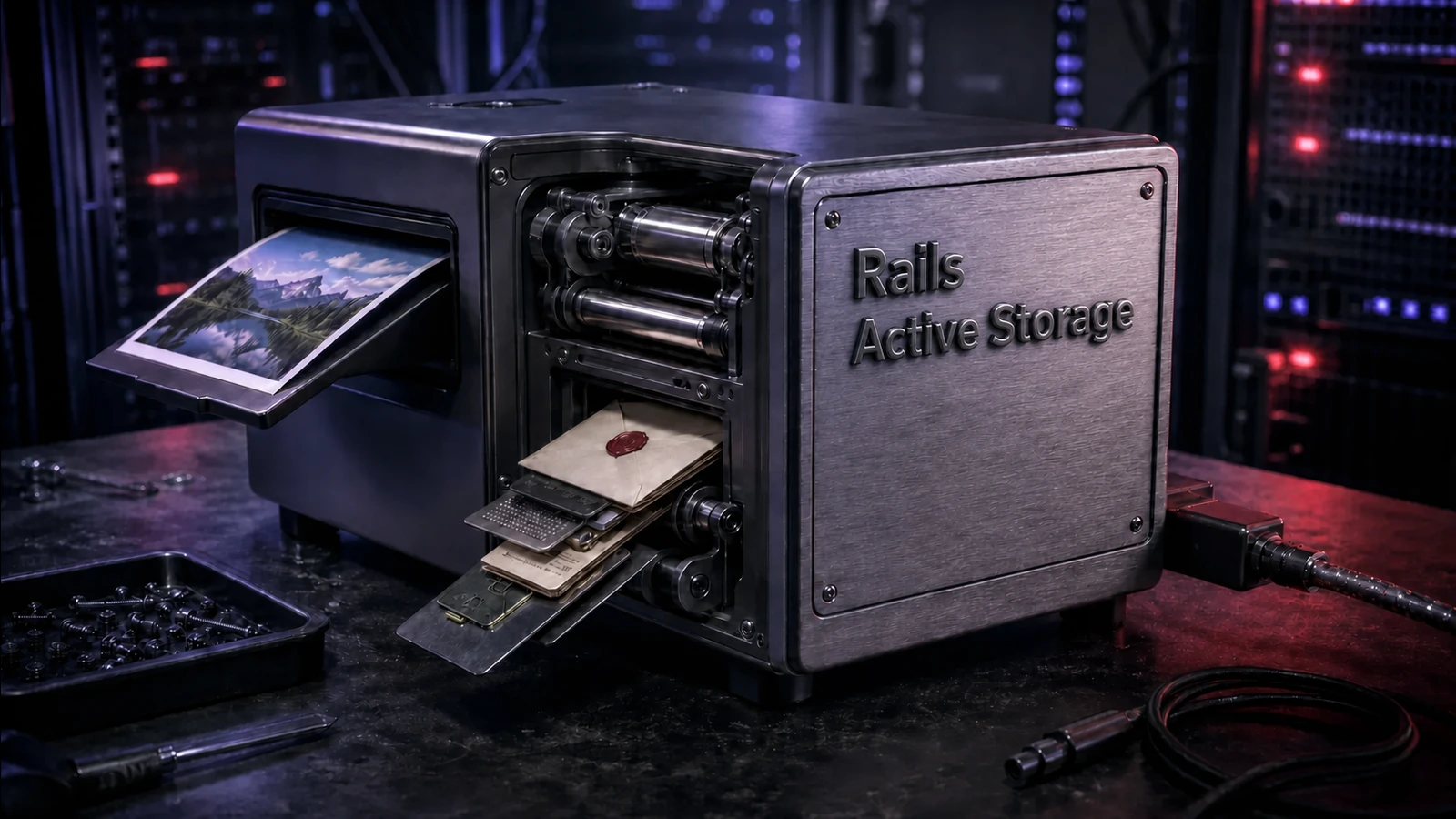
Read article →A crafted image can reach unsafe libvips operations through Active Storage, exposing files and process credentials that a Rails-only update cannot recover.
Read article →A ServiceWorker and SharedWorker combine a clean Bun runtime, delivered PE sections, and locally generated bytes before a same-origin download.
Read article →A poisoned build can start a memory-resident loader, re-arm through macOS preferences, and seed more projects, Git hooks, and archives.
Read article →A crafted AD CS chase sent the CA to rogue directory services. July updates add a real-DC check, but defenders still need issuance and replication evidence.
Read article →IPMI's RAKP exchange exposes material for offline password cracking, leaving defenders with a management-plane incident that host telemetry may miss.
Read article →One variant uses UPnP to open 155 inbound paths, then relays same-port traffic through infected devices that conceal the real command servers.
Read article →Actors changed controller IP addresses and passwords across at least seven states. Operators need to compare running logic with a trusted baseline and investigate activity on connected devices.
Read article →On-premises VCO is exposed by default. Arista says defenders must inspect web activity and managed Edge state after patching.
Read article →A misconfigured evaluation harness let three Claude models reach production systems, exposing a control gap that prompts and model safeguards could not contain.
Read article →Every on-prem Secure FMC configuration is affected. Cisco published hot fixes, a shared license.tmp indicator, and credential-rotation guidance.
Read article →Talos tied QR-code PDFs to credential theft, inbox-rule changes, SharePoint staging and new phishing sent from compromised Microsoft 365 mailboxes.
Read article →Kaspersky found BridgeHead using Windows SSO to cross corporate proxies before relaying server-selected TCP traffic through compromised hosts.
Read article →The flaw reaches an unsafe resource-loading path without AutoType enabled. Exposure is limited to a specific Fastjson 1.x and Spring Boot deployment combination.
Read article →Five recovered task logs record service discovery, privilege checks and file enumeration after an operator enabled Hermes's unattended mode.
Read article →Hugging Face traced 17,600 actions from an Artifactory escape through two malicious-dataset vectors and into its clusters, network and source control.
Read article →Zenity found URL parameters that preselected a template and auto-submitted instructions inside a logged-in user's Workspace Agents builder.
Read article →Any authenticated proxy-key holder could make two MCP preview endpoints run an arbitrary command on the LiteLLM host.
Read article →The botnet spread through developer extensions and packages, then used stolen credentials to force-push malicious code into default branches.
Read article →CVE-2026-6875 chained query evaluation with a sandbox escape, giving an unauthenticated attacker broad control of a ServiceNow instance and its connected proxy servers.
Read article →Push Security traced paid search ads to shared ChatGPT and Claude pages that handed visitors to fake desktop-app downloads.
Read article →A civil lawsuit targets a Telegram-based phishing-kit operation that Google links to 2.5 million texts and more than one million fraudulent URLs.
Read article →CVE-2025-55241 allowed an Entra actor token from one tenant to impersonate users in another through the legacy Azure AD Graph API.
Read article →Researchers put instructions to read .env and encode it into source inside a PNG that text-only pull-request reviewers ignored but vision-capable coding agents later followed.
Read article →A Teams lure installed a headless Edge extension and a Python native-messaging host, giving a ransomware access broker a quiet route to local command execution.
Read article →A stolen npm publisher account added a malicious dependency to more than 140 Mastra packages, giving Sapphire Sleet an install-time path into developer and CI systems.
Read article →AIR says its brand-landingpage experiment reached 26,000 agents after scanners missed a remote instruction source that changed after approval.
Read article →CVE-2026-12957 allowed project configuration to start MCP processes with a developer's environment. AWS fixed the flaw in Language Servers for AWS 1.65.0.
Read article →A forgotten Klue credential led to customer OAuth token theft and direct access to Salesforce CRM data across several companies.
Read article →Island found more than 800 fake skills and MCP servers using credible READMEs and ZIP files to turn capability searches into malware installs.
Read article →Five poisoned releases avoided install hooks, launching a detached Node.js process when developer or CI tooling loaded the affected module.
Read article →Trend Micro found a Russian-speaking actor using Gemini CLI to rebuild command-and-control infrastructure and operate eight infected computers.
Read article →Cursor 3.0 fixed path-handling failures that let injected instructions write beyond a project and tamper with the sandbox protecting the host.
Read article →A routine page fetch in older Kiro builds could end with attacker-controlled code running through a rewritten MCP configuration.
Read article →The botnet gives AI workbenches priority in its scan queue, then searches compromised hosts for cloud credentials, service-account tokens, and callable tools.
Read article →A paid search ad sent victims through a public page on claude.ai before delivering a fake desktop installer.
Read article →